AI
How does Tesla’s Driverless Car Delivery Impact the Automotive Industry
It happened quietly, but changed everything drastically – Tesla’s first driverless delivery was a breakthrough victory, even though it raised serious concerns across the industry.
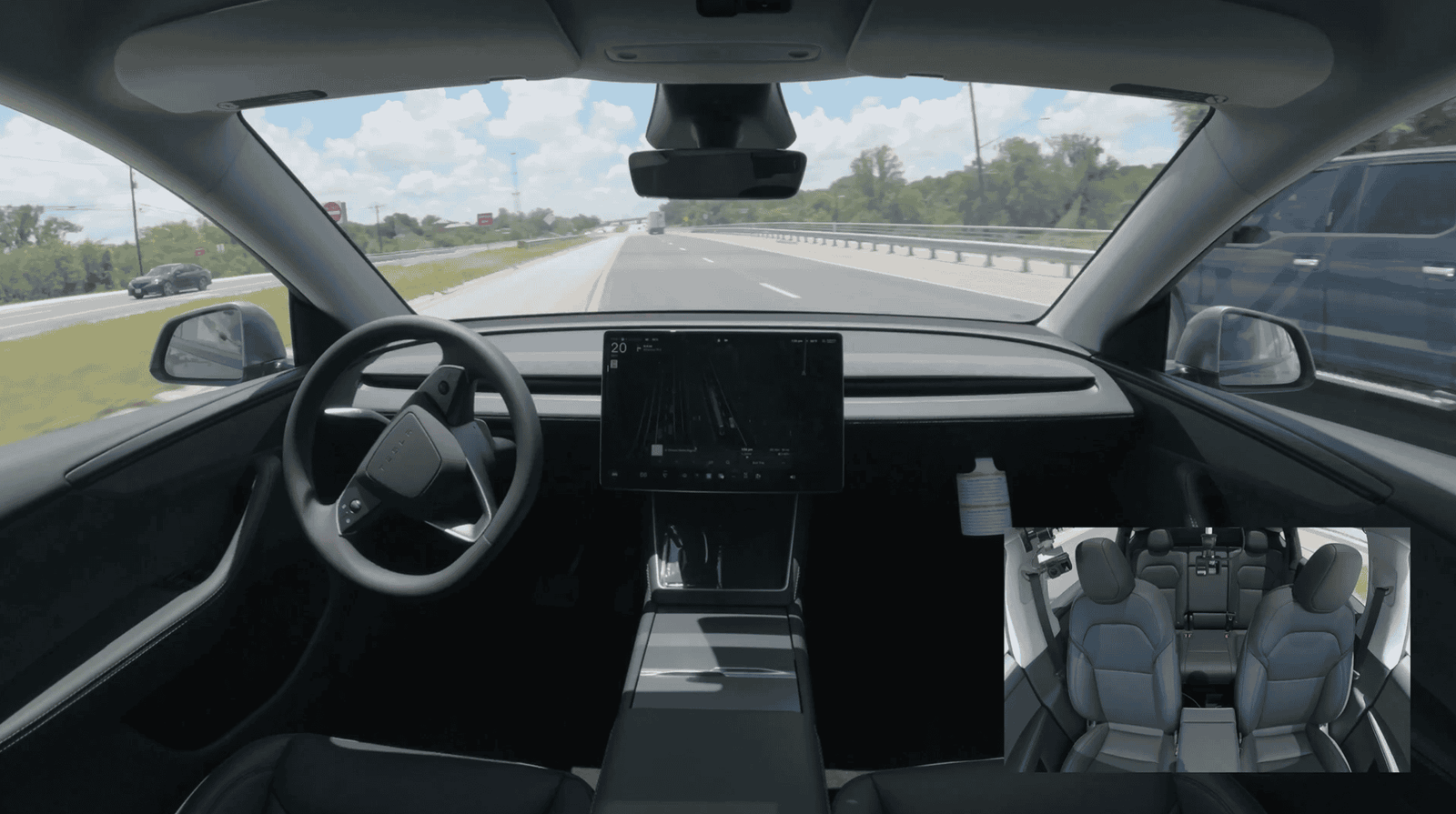
In late June 2025, Tesla quietly achieved a milestone that may shape the next era of automotive logistics: a Model Y drove itself from the Gigafactory in Austin to a customer’s home, completely driverless.
No one was inside. No remote operator.
Just a car on public roads, handling highways, intersections, and parking lots all on its own.
This wasn’t a demo or PR stunt.
According to CEO Elon Musk, the journey took place a day ahead of schedule and reached speeds up to 72 mph.
Tesla’s AI lead Ashok Elluswamy confirmed there was no human in the car and no teleoperator involved at any point.
Behind the scenes, Tesla relied on Full Self‑Driving (FSD) software, specifically the Robotaxi version running on the latest-generation in‑house AI chips and neural network models.
This same software, trained on billions of real-world miles, handled everything from highway merges to complex city streets and parking maneuvers.
Why Does It Matter?
- From Factory to Driveway, without a human: Tesla has proven you don’t need a person behind the wheel, even remotely, to deliver a car. This opens up possibilities for end-to-end autonomous logistics, reducing costs and streamlining delivery routes.
- Real roads and real conditions: The Model Y tackled highway merges, traffic lights, roundabouts, and even unprotected left turns in daylight, urban traffic. What used to be novel tests are now routine. The roughly 15‑mile route from Gigafactory Texas to the customer home, completed in about 30 minutes and reaching speeds of 72 mph, spanned freeways, city streets, roundabouts, intersections, and parking areas, all navigated autonomously by FSD.
- Facing the Competition: Tesla is in a race. Waymo has been testing driverless vehicles with no occupants since 2024, but primarily with employees onboard. Tesla just became one of the first to do this with a standard production vehicle.
What’s Happening with Robotaxis?
Tesla’s Robotaxi program, launched in Austin on June 22, 2025, still features a human safety monitor in the passenger seat and serves invite-only riders. While the delivery car showed off full autonomy, these robotaxis are still under active observation, and regulators are watching closely due to early glitches like phantom braking and traffic violations.
What’s Next?
Delivering one car is impressive. But can Tesla do this consistently, at scale, and safely?
That’s indeed a question of thought!
- Tesla has already hinted at plans to make autonomous delivery a standard feature for all vehicles.
- Analysts note Tesla’s complete autonomy vision could hit the bottom line by late 2026, but also caution that weak EV sales and competitive pressures remain key variables.
- Regulatory bodies, like the NHTSA, are watching closely, as Tesla’s Robotaxi early runs have already initiated investigations.
Final Thought
Tesla’s driverless delivery isn’t just another autonomous trick, it’s a turning point. The company has transformed a long-standing promise into a real-world capability: cars that drive themselves on real roads, without a person in the seat.
The future of automotive might not just be electric and self-driving, it might be self-driving from factory to front door, reshaping the logistics sector entirely.