
Legacy Platform Migration
The system was built on a decade-old monolithic PHP stack that couldn’t scale or support modern APIs. Migrating 500K+ users and 8 years of order history without downtime was critical.
 Featured Case Study
A leading Indian fashion ecommerce brand was crashing at 10,000 users during peak sales. In 6 months, we rebuilt their platform using microservices, launched mobile apps, and scaled it to handle 100,000+ concurrent users.

Fashion Ecommerce

6 Months

2024
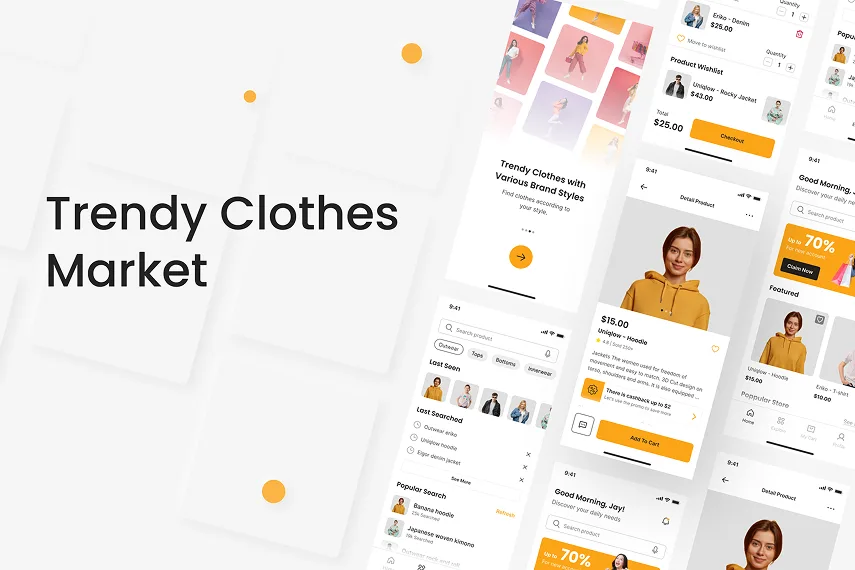
The client, a leading Indian fashion ecommerce brand with over 500,000 monthly visitors, had outgrown its legacy platform. Between sluggish mobile checkouts, crashes during festive peaks, and an 8-hour manual catalog update cycle, the business was leaking revenue every hour of every day.
Our brief: deliver a modern, scalable ecommerce platform development solution that could handle 10x traffic, cut page load to under 2.5 seconds, and rebuild mobile conversion from the ground up — all without a single minute of downtime during migration.


Fashion-forward Indian consumers aged 18–45, primarily mobile users, comparing prices across multiple apps and expecting checkout in under 90 seconds. Built mobile-first, desktop second.

For anyone evaluating an ecommerce modernization project, the architecture decisions below are the ones that paid off most in this engagement:
1. Microservices, Not Monolith
We split the platform into independently deployable services — catalog, cart, checkout, inventory, payments, search, and recommendations. Each service scales and fails independently, enabling faster iteration. Checkout now handles 10x load with significantly lower infrastructure cost.
2. Mobile-First, Progressively Enhanced
The React/Next.js frontend was built for a 4G mobile experience on mid-range Android devices. Desktop became an enhancement layer. Lazy loading, code splitting, and CDN-based image optimization improved Lighthouse mobile score from 42 to 94.
3. Caching at Every Layer
Redis for sessions and carts, CDN for static assets, database query caching for listings, and API-level caching for catalog reads. Result: the primary database now handles only ~20% of previous load.
4. Zero-Downtime Migration via Parallel Run
Both platforms ran simultaneously for 12 weeks with cohort-based traffic routing. Data synced bidirectionally, enabling a gradual transition with full rollback capability at every stage — no risky “big-bang” migration.
5. Observability Baked In
Real-time monitoring for checkout conversion, payment latency, inventory sync, and search performance. Proactive alerts ensure issues are detected before impacting customers.
A dedicated team of experts assembled to ensure project success

Abhijit Biswas
10+ years leading digital transformation for retail brands. PMP-certified with experience managing large-scale replatforming projects.

Yash Kapadia
Ecommerce microservices specialist. Architected the Node.js checkout system handling 100K+ concurrent users.

Sarthak Donga
Conversion-focused designer. Led mobile-first redesign driving a 171% increase in mobile conversions.

Priya Sharma
Load testing and migration specialist. Built test systems that identified 23 critical edge cases before launch.

Yash Sathawara
AWS Solutions Architect. Designed Kubernetes auto-scaling that handled Diwali peak traffic with zero downtime.

Shubham Channe
Analytics and requirements expert. Led conversion tracking and post-launch performance reporting.
Every ecommerce replatforming project has four or five failure modes. Here's how we handled the big ones on this engagement:

The system was built on a decade-old monolithic PHP stack that couldn’t scale or support modern APIs. Migrating 500K+ users and 8 years of order history without downtime was critical.

Built a Node.js platform running alongside legacy systems with real-time sync. Migrated users in cohorts over 3 months, achieving 95% traffic shift with zero data loss.
Previous Diwali sale crashed within 18 minutes. System supported only ~10K users while demand exceeded 100K, causing major revenue losses.
Rebuilt on Kubernetes with scaling from 5 to 500+ instances. Redis caching handled 80% reads. Successfully tested at 150K concurrent users with 100% uptime during Diwali sale.
Mobile drove 75% of traffic but only 1.4% conversions. Slow loading, long checkout, and missing UPI/Wallet payments were major drop-off points.
Rebuilt mobile UX, reduced checkout from 7 to 4 steps, added UPI, Google Pay, Apple Pay. Conversion improved to 3.8% in 60 days (171% increase).
Catalog updates took 8+ hours, returns processing took up to 7 days, and support teams were overwhelmed with repetitive queries.
Built automated catalog pipelines (updates in 5 mins), returns workflow (1–2 days), and real-time tracking portal reducing support load by 60%. Manual effort reduced by 96%.
The rebuild delivered six feature pillars that directly drive conversion and retention:
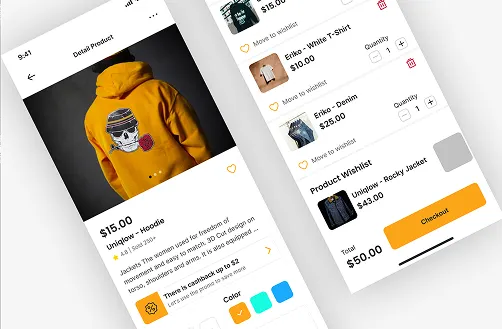
4-step checkout, auto-filled addresses, one-click repeat purchase, and UPI / wallets integration with smart fallback routing.
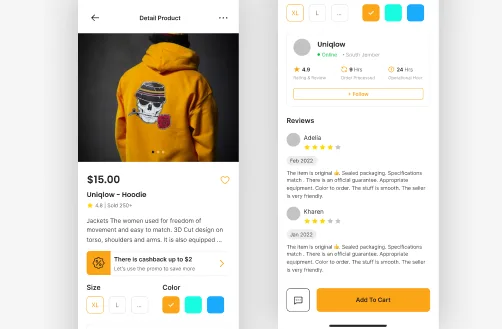
Advanced search with typo tolerance, smart filters, 360° product views, comparisons, and verified reviews.
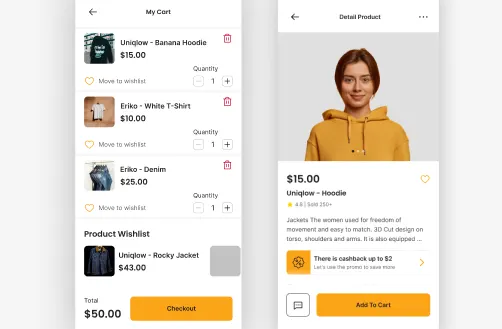
Persistent cart across devices, wishlist with stock alerts, real-time inventory visibility, and abandoned-cart recovery.
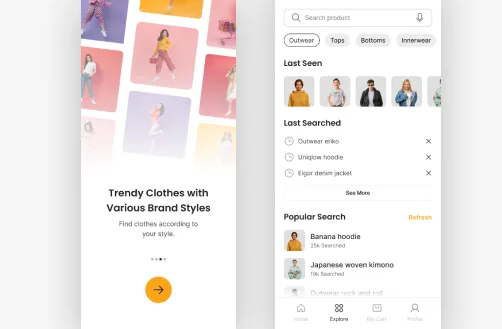
Native iOS & Android apps with offline browsing, push alerts for price drops, and secure biometric login.
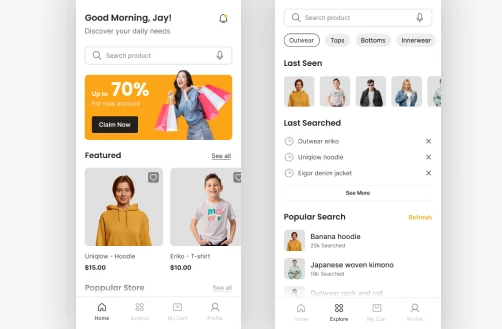
Personalized feeds, product recommendations, cart upsells, and behavior-driven marketing automation.
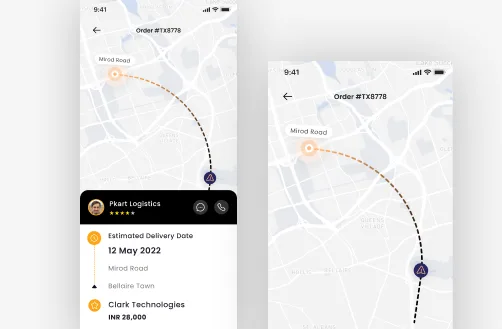
Real-time tracking, self-service returns, automated refunds, and a unified customer support dashboard.
Modern, scalable technologies chosen for optimal performance and reliability


Measurable impact and outcomes that exceeded expectations

Improved from 5.2 sec

Up from 1.4%

Reduced from 68%

Scaled from 10K

Up from 98.2%

Down from 8+ hours

Improved from 5–7 days

Up from 42
 Let's Build Something Amazing
If your current platform is crashing during peak sales, bleeding revenue on mobile, or held together with years of technical debt — our ecommerce platform development services can help. We specialize in high-traffic fashion, lifestyle, and D2C brands across India, the US, and the UK.
